
TEXTURE
-
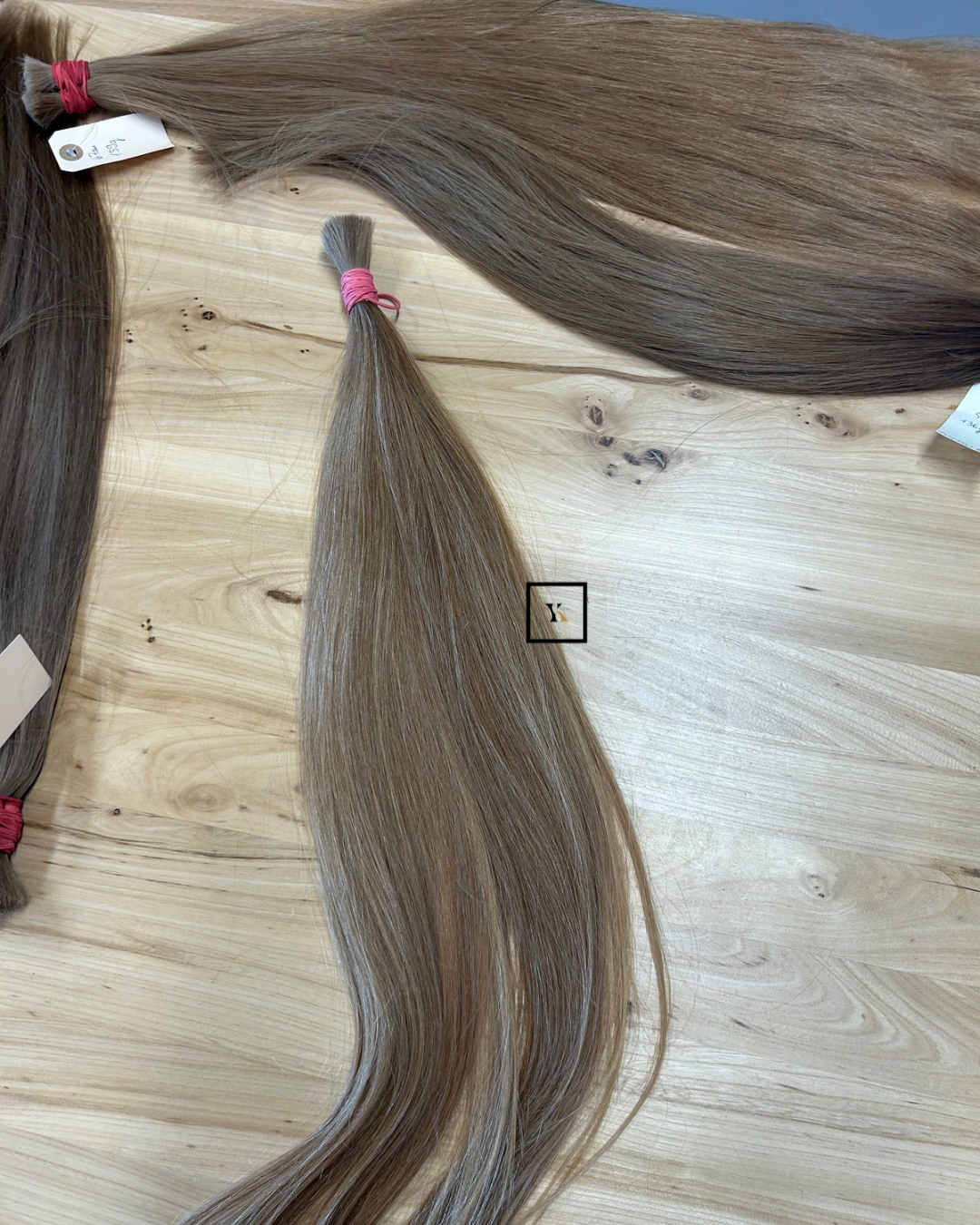
STRAIGHT
Slavic hair can be smooth and straight, with a fine, silky texture.
-
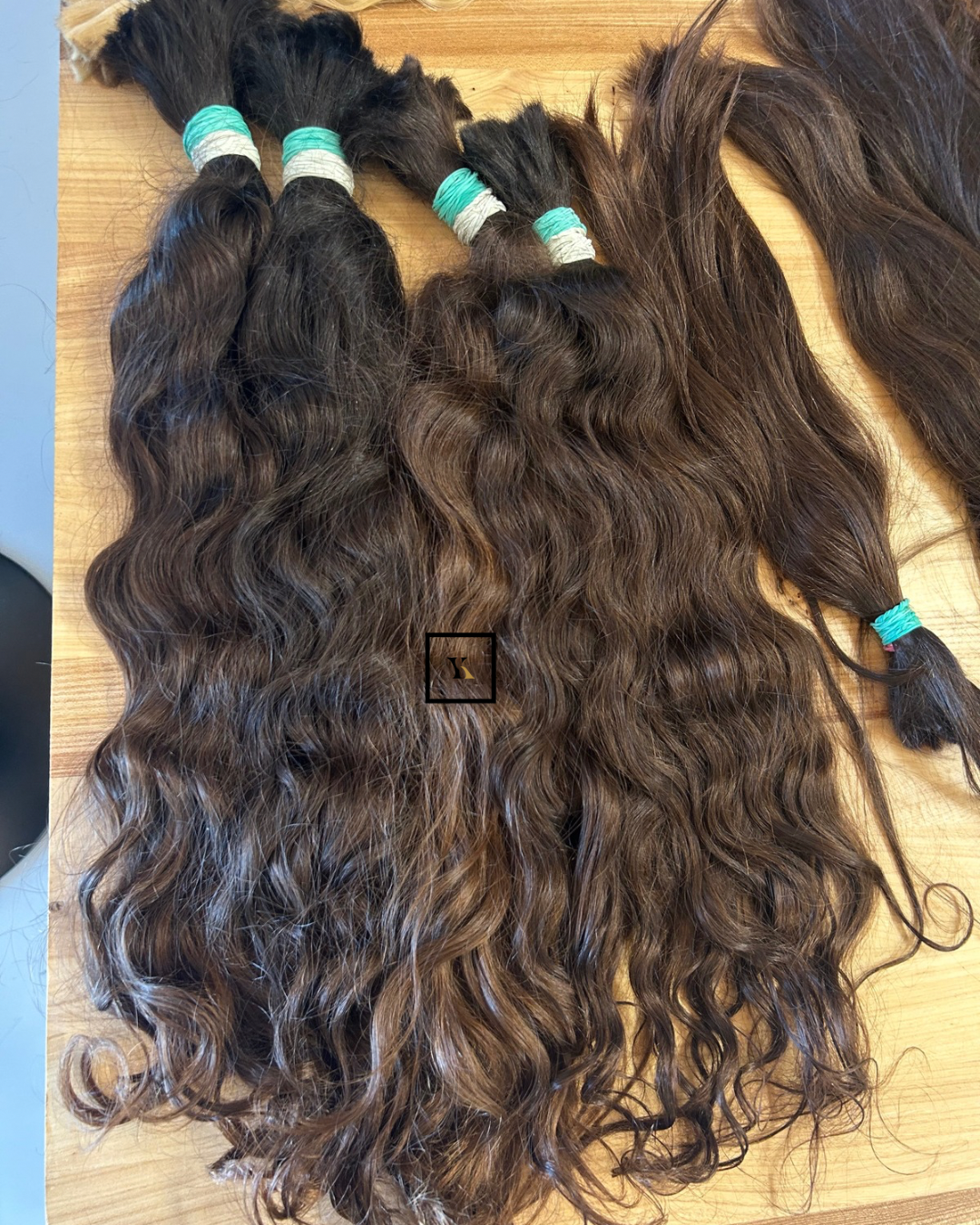
WAVY
Slavic hair can also be wavy, with light waves or loose curls.
-
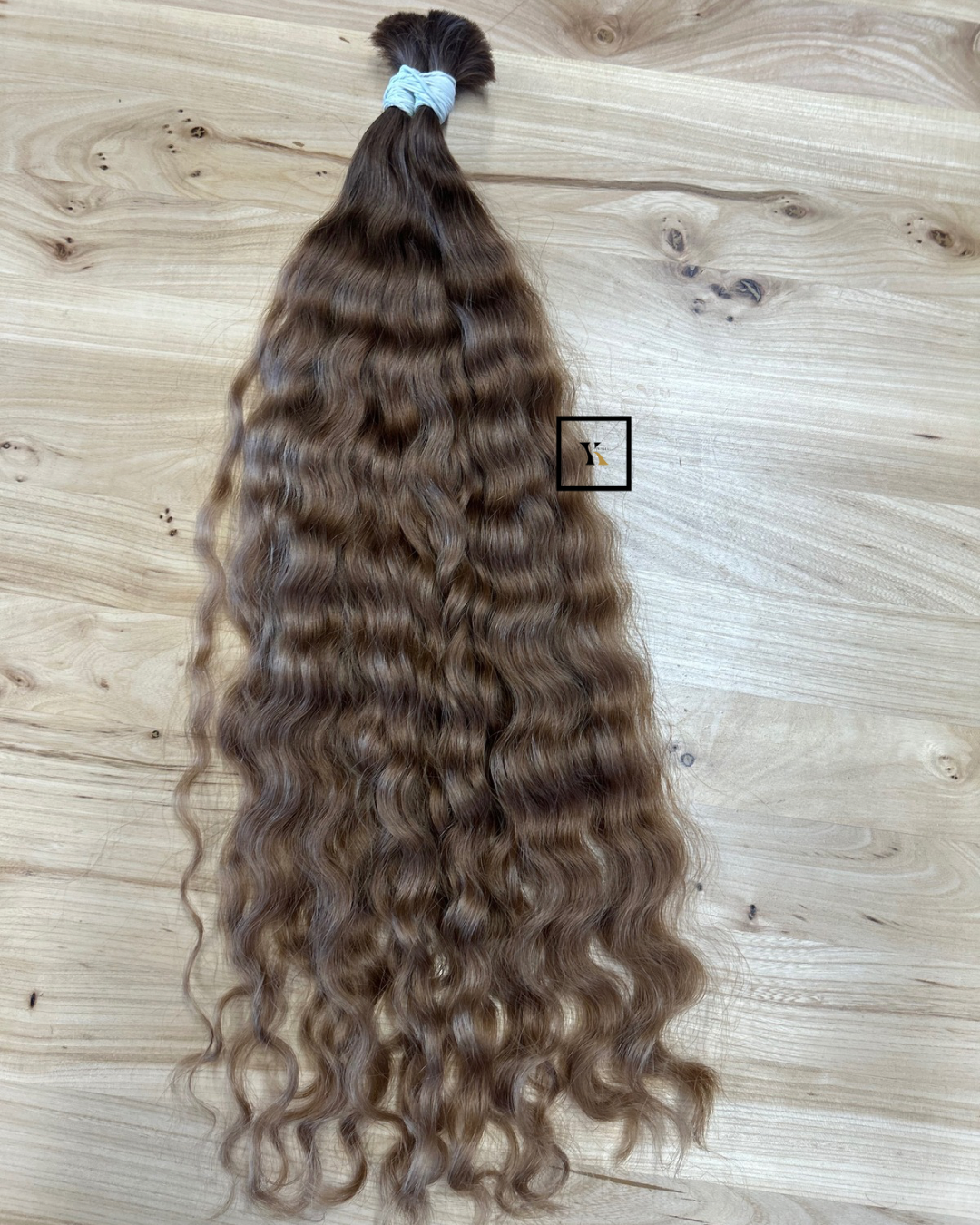
CURLY
Some Slavic hair can be curly, with tighter curls.

Slavic hair is often considered to be of high quality due to its texture, natural length, and strength. It is in high demand for hair extensions and is relatively expensive compared to hair from other origins.
Fine texture and thickness: Slavic hair is known for its defined texture and extreme softness. It is generally of medium thickness, making it easy to comb and style.
Natural length: Slavic hair can reach impressive natural lengths, making it ideal for hair extensions.
Natural color: Slavic hair often has a natural color ranging from light blonde to dark brown, with subtle color nuances.
Strength and durability: Slavic hair is known for its strength and durability, making it less likely to break or deteriorate over time.
Low porosity: Slavic hair often has low porosity, which means it absorbs hair products less effectively. This may require specific care to keep it healthy.
Shine and luster: Slavic hair is known for its natural shine and luster, which makes it very attractive and desirable.


COLOR CHARACTERISTICS

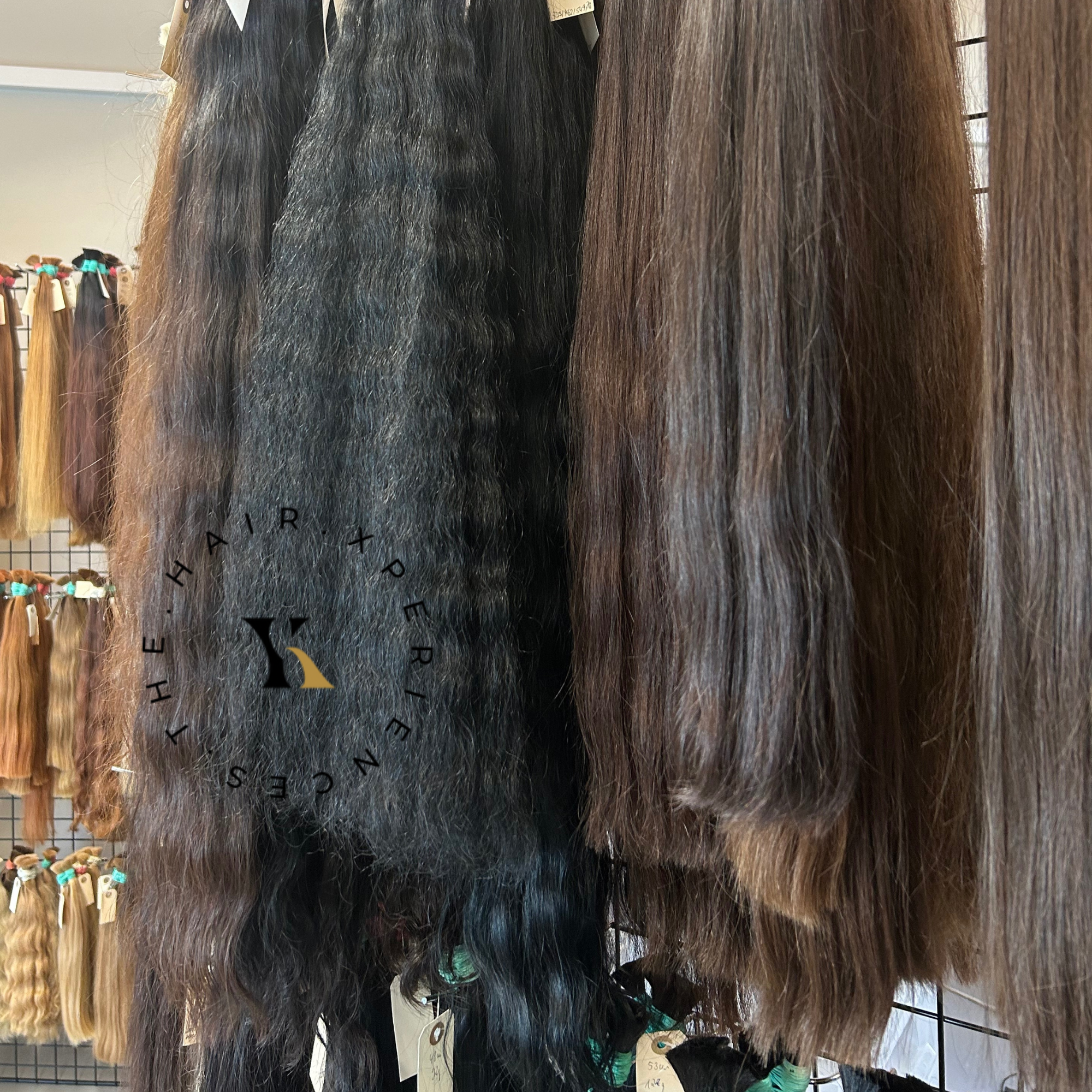
The hair colors of Slavic women can vary depending on the region and culture, but here are some general trends:
Blonde hair: Northern Slavic women, such as Ukrainians, Russians, and Poles, often have blonde or light brown hair.
Brown and black hair: South Slavic women, such as Bulgarians and Serbs, often have brown, dark brown, or black hair.
Red hair: Slavic women can also have red hair, particularly in Ukraine and Russia.
Color nuances: Slavic women may have color nuances such as golden, copper, or auburn highlights in their hair.